In uncertain times, innovation is sustainability's best ally
Innovation and technology have become pillars of business success. Building advanced technology into business processes does more than improve operational efficiency. It also opens new paths to innovation and competitiveness.
One of the areas most affected by this technological revolution is business management. Data analytics tools and artificial intelligence (AI) are redefining how organizations make decisions and adapt to constantly changing markets. The ability to analyze large volumes of data in real time gives companies valuable insights, which is crucial for shaping effective strategies and anticipating market trends.
Leadership in this digital environment also faces new challenges. Business leaders must be agile, able to adapt quickly to change and to lead teams in increasingly complex and dynamic settings. Understanding and making use of the potential of new technologies is essential to staying relevant and growing in the market.
The digital era also brings both challenges and opportunities for companies. Digital transformation is not only a matter of adopting technology but also of cultural and organizational change. Companies that manage to integrate technology across every aspect of their business are better positioned to innovate and compete in the global economy.
In conclusion, the digital era calls for an approach that combines technological innovation with effective leadership and a deep understanding of data analytics. Only then can companies navigate this ever-changing landscape and make the most of what the digital era offers.
INTERVIEW SUMMARY:
The interview covers digital philosophy, the digital transformation of companies, and the challenges of technological innovation in the corporate world.
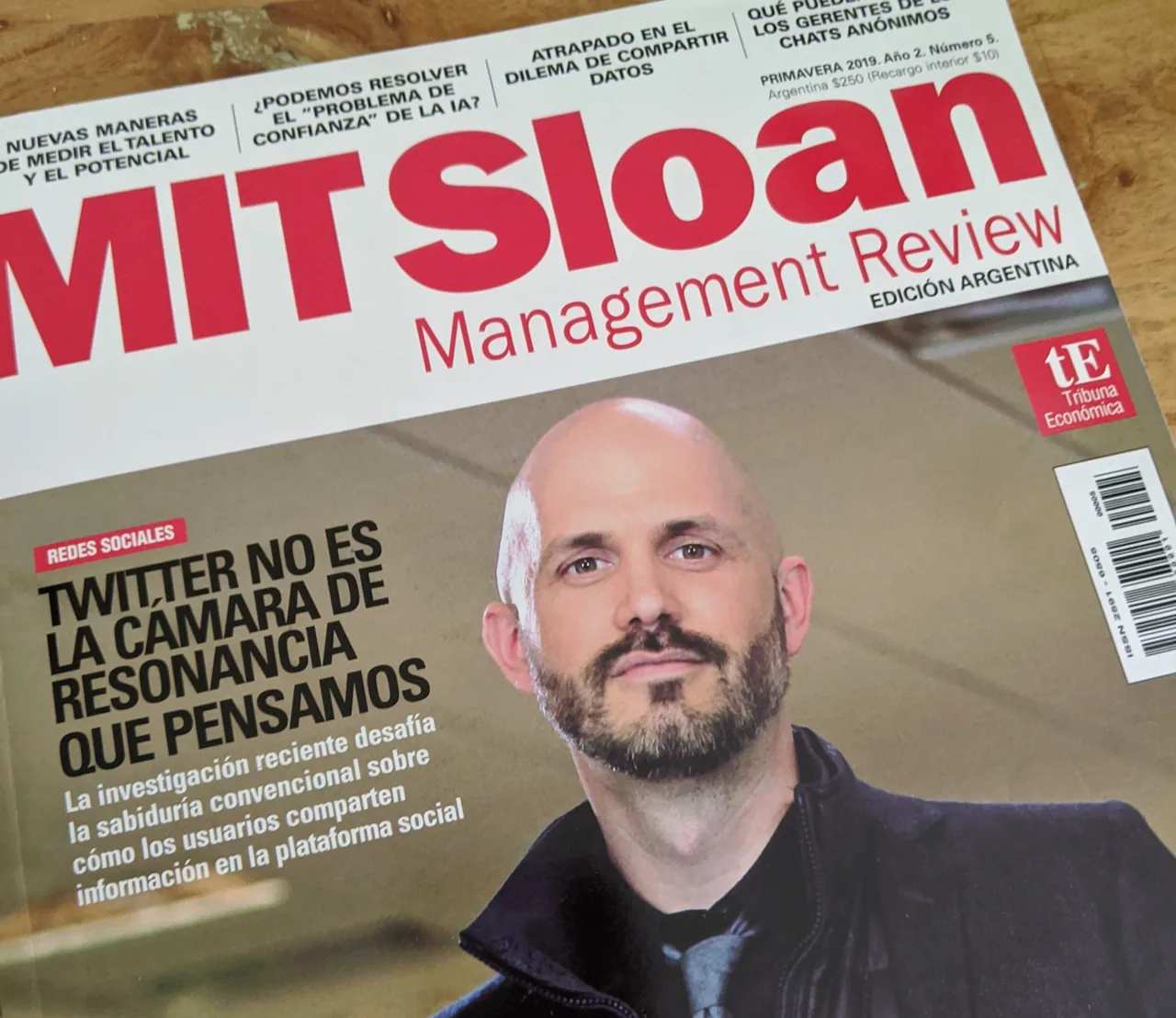
Digital philosophy, according to Lucero, is an approach that changes the way companies operate, promoting a process of discovery and continuous learning and questioning work in departmental silos. It proposes cross-functional integration and the design of experiments to test business hypotheses constantly.
On digital transformation, Lucero notes that only 30% of companies get through this challenge, because of a lack of clear vision and adequate leadership. He stresses the importance of building a sense of urgency for change, empowering employees, and keeping communication constant. He underlines that the customer must be the focus of the transformation.
Lucero also emphasizes the human obstacles to innovation and transformation, citing resistance to change as a critical factor. He points to the changing role of CIOs, who must take a more comprehensive approach and evangelize inside their organizations.
He also addresses the impact of disinformation on business, the importance of a coherent digital identity and the relevance of keeping a single concept across all social networks. On digital marketing, Lucero recommends focusing on the user, designing consistent and relevant experiences, and using technology to collect and analyze data that improves decision-making.
Finally, he discusses how customer service works in digital channels and the challenge for companies of adapting to them, emphasizing the importance of putting the customer at the center of business strategy. He also covers virality on social networks, noting that although it is unpredictable, viral success tends to be tied to products or messages that let users express emotions or personal stories.